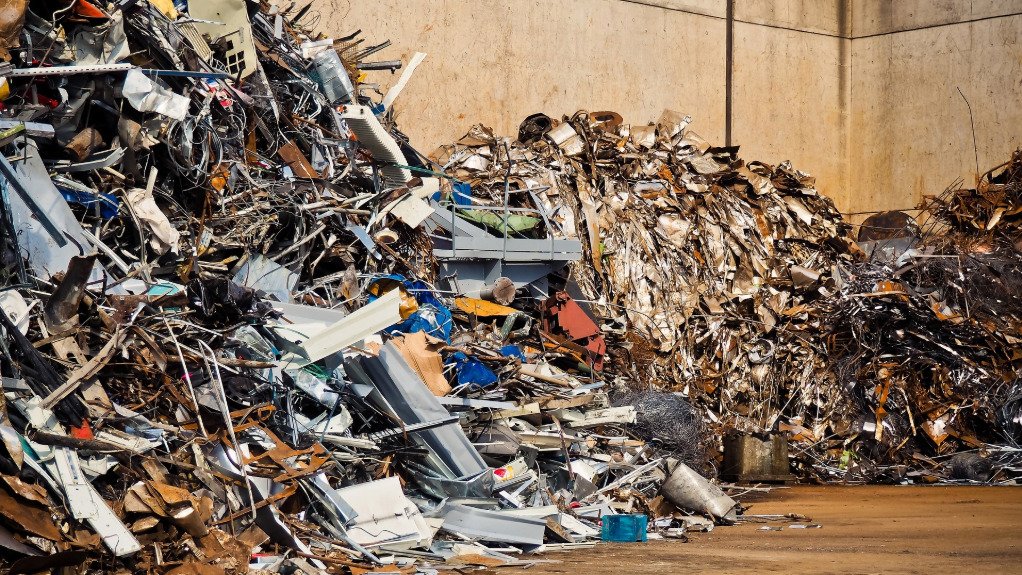
Total Waste Solution, we are dedicated to the safe and responsible recycling of e-waste and metal scrap materials. Our expertise spans across managing electronic waste, providing EPR credits, and processing items such as motor and iron scrap, obsolete generators, IT equipment, and a broad range of ferrous and non-ferrous metals.
We specialize in the safe disposal of hazardous materials—including chemicals and medical waste—using specially engineered containers. By adhering to stringent safety protocols, we ensure proper handling and storage to prevent any harm to the environment.
Our comprehensive recycling solutions are designed to support your efforts in reducing ecological impact.
At Total Waste Solution, safety is at the core of everything we do. We’re fully committed to the responsible management of hazardous waste, helping you meet your environmental goals with confidence and care.
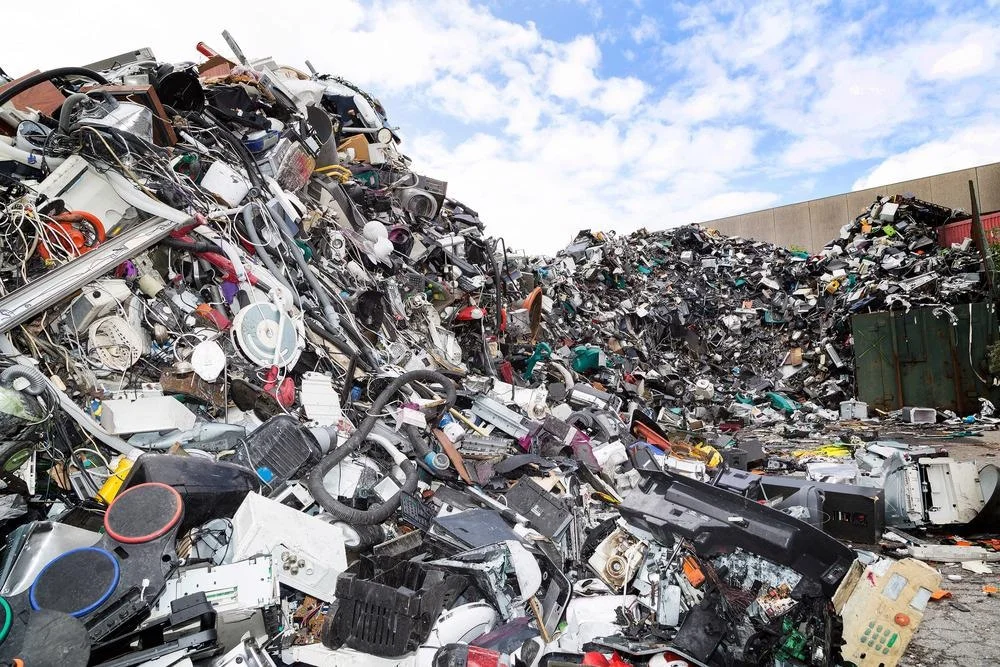
E-waste scrap refers to outdated or discarded electronic items like smartphones, computers, TVs, and other digital devices. These gadgets contain both precious metals that can be recovered and hazardous substances that must be carefully disposed of to avoid environmental damage. Recycling e-waste not only allows for the safe management of toxic materials but also helps in reclaiming valuable resources, minimizing pollution, and supporting long-term sustainability. By properly recycling e-waste, we preserve natural resources and reduce dependence on raw material extraction—ultimately lowering our environmental impact.
E-Waste EPR Credits play a vital role in the Extended Producer Responsibility (EPR) framework, placing accountability on manufacturers for the end-of-life management of their electronic products. Under this system, producers are required to oversee the proper collection, recycling, and environmentally sound disposal of e-waste.
These credits form a key component of the EPR approach, which is designed to shift the burden of electronic waste handling from consumers to producers. Manufacturers are mandated to ensure that obsolete electronic items are responsibly managed, supporting sustainability and reducing environmental impact.
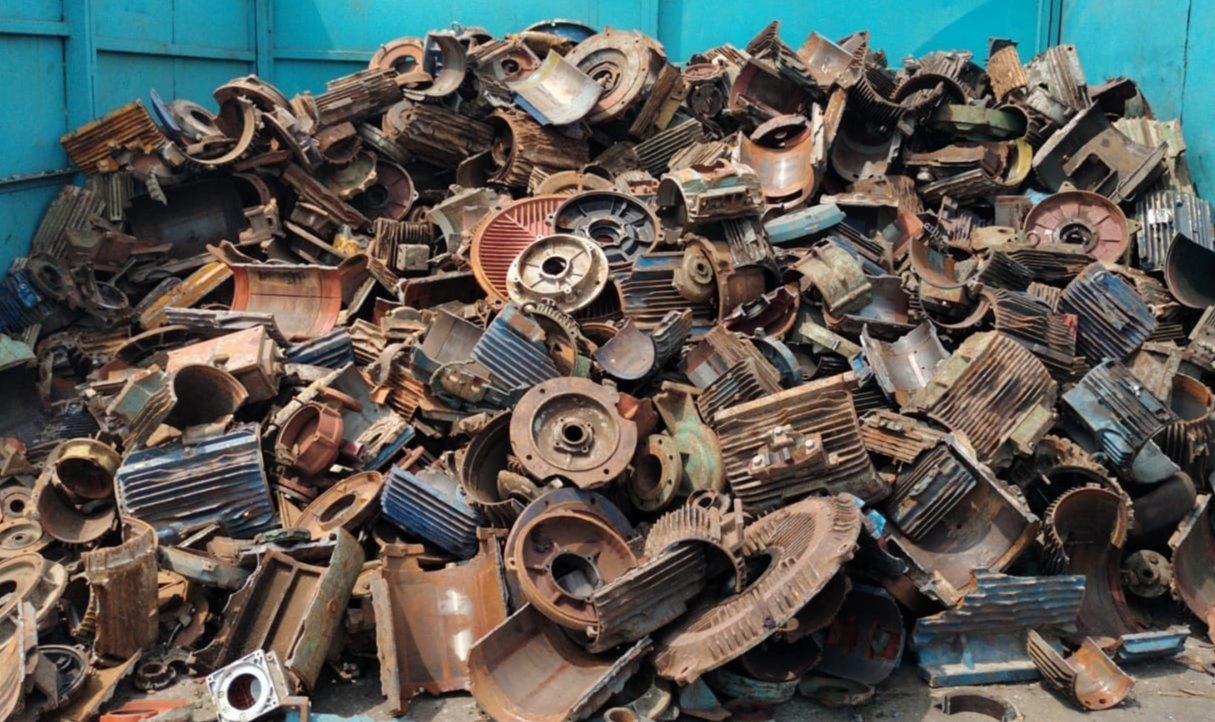
Motor Scrap consists of used or discarded electric motors from appliances, machinery, and industrial systems. These motors are rich in recyclable materials such as copper, aluminum, and steel, which can be extracted and reused in new manufacturing processes.
Recycling motor scrap plays an important role in conserving natural resources and minimizing environmental damage. Since some motor components may contain harmful substances like lubricants or coolants, proper disposal and recycling are essential. This ensures environmental safety while promoting a more sustainable, circular economy.
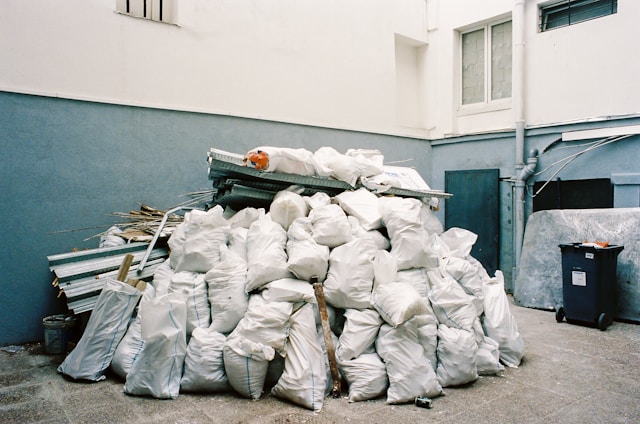
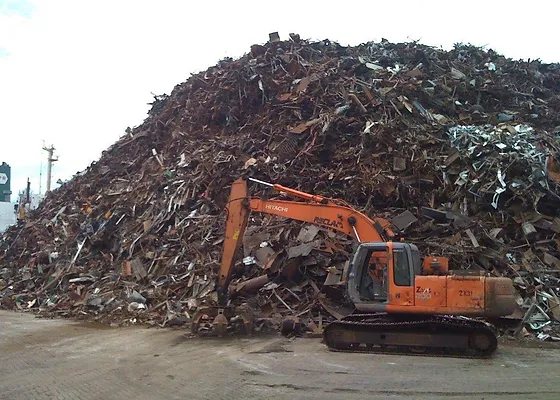
Iron Scrap refers to leftover or discarded iron and steel materials from sectors such as construction, manufacturing, and automotive. Recycling this scrap helps reduce the demand for mining fresh iron ore, thereby saving natural resources and energy.
Once collected, iron scrap is melted down and reused in the creation of new products—ranging from construction components and heavy machinery to household appliances. Effective recycling of iron scrap minimizes landfill waste and supports sustainable metal usage across multiple industries, contributing to a more eco-friendly production cycle.
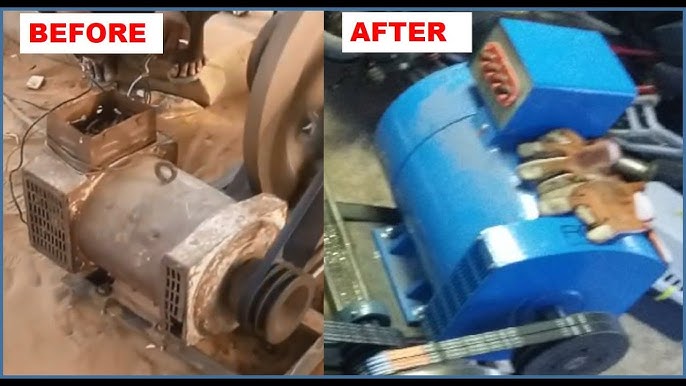
Before: Old Generators are retired power systems that are no longer in active use…
After: Recycle Retired Generators,
Don’t let old generators gather dust or leak hazardous waste. We safely dismantle and recycle valuable metals like copper and aluminum, while responsibly disposing of fuels and lubricants—ensuring zero environmental harm.
Old IT Assets encompass obsolete or unused electronic equipment such as laptops, servers, printers, and network devices. These items typically contain recoverable resources like metals and plastics, along with sensitive data that must be securely removed before disposal.
Proper handling of outdated IT assets through certified recycling and secure data destruction not only helps companies meet environmental compliance standards but also protects confidential information and supports the global effort to reduce electronic waste.
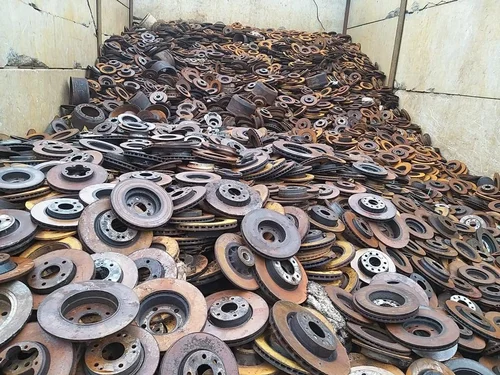
Cast Iron Scraps are leftover or discarded fragments from items like machinery components, pipes, cookware, and construction structures. Known for its strength and durability, cast iron can be recycled repeatedly without compromising its integrity. By recycling cast iron scraps, we help conserve raw materials, use less energy, and significantly reduce carbon emissions compared to manufacturing cast iron from scratch.
Since the recycling of cast iron requires less energy than producing it from virgin ore, it contributes to a smaller environmental impact—encouraging efficient resource use and supporting sustainable waste management practices
Cast Iron Waste consists of unused or discarded cast iron materials commonly produced during construction, manufacturing, or the disposal of outdated machinery and components. Despite its strength and long lifespan, unmanaged cast iron waste can take up considerable space in landfills. Recycling offers a sustainable alternative by allowing the material to be melted and repurposed, which conserves natural resources and reduces overall energy usage.
Through cast iron recycling, industries not only minimize their environmental footprint but also significantly cut down on the energy required to manufacture new cast iron from raw materials.
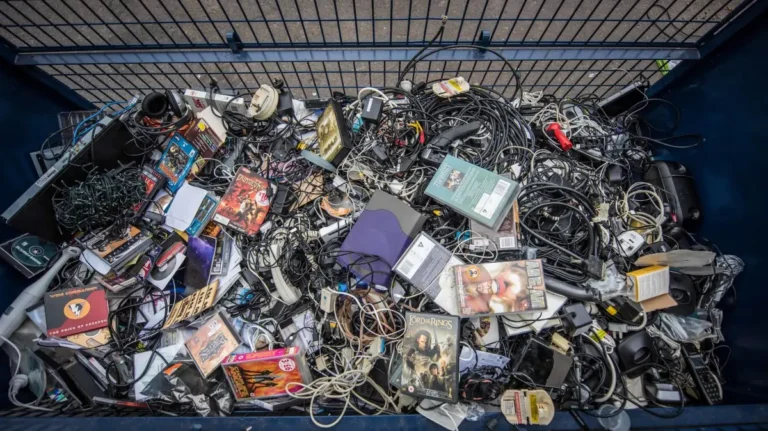
Computer Scrap includes outdated or unused computer parts such as CPUs, laptops, circuit boards, monitors, keyboards, and other peripherals. These electronic wastes contain recoverable resources like copper, aluminum, gold, and various plastics, making them valuable for recycling. Environmentally responsible disposal helps reclaim these materials while preventing the release of toxic elements like lead and mercury into the environment.
Additionally, proper management of computer scrap ensures complete removal of any sensitive data, protecting both individuals and businesses from data breaches or misuse.
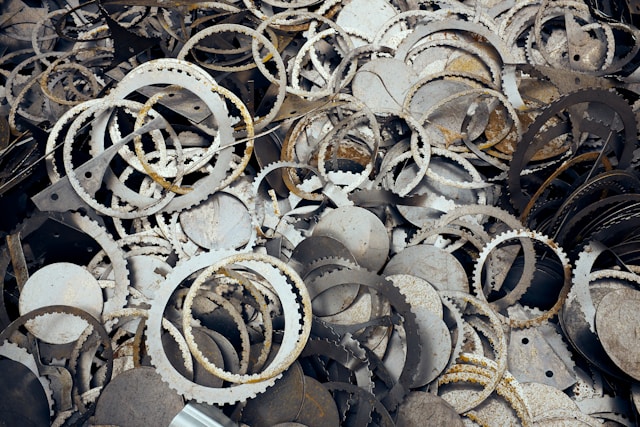
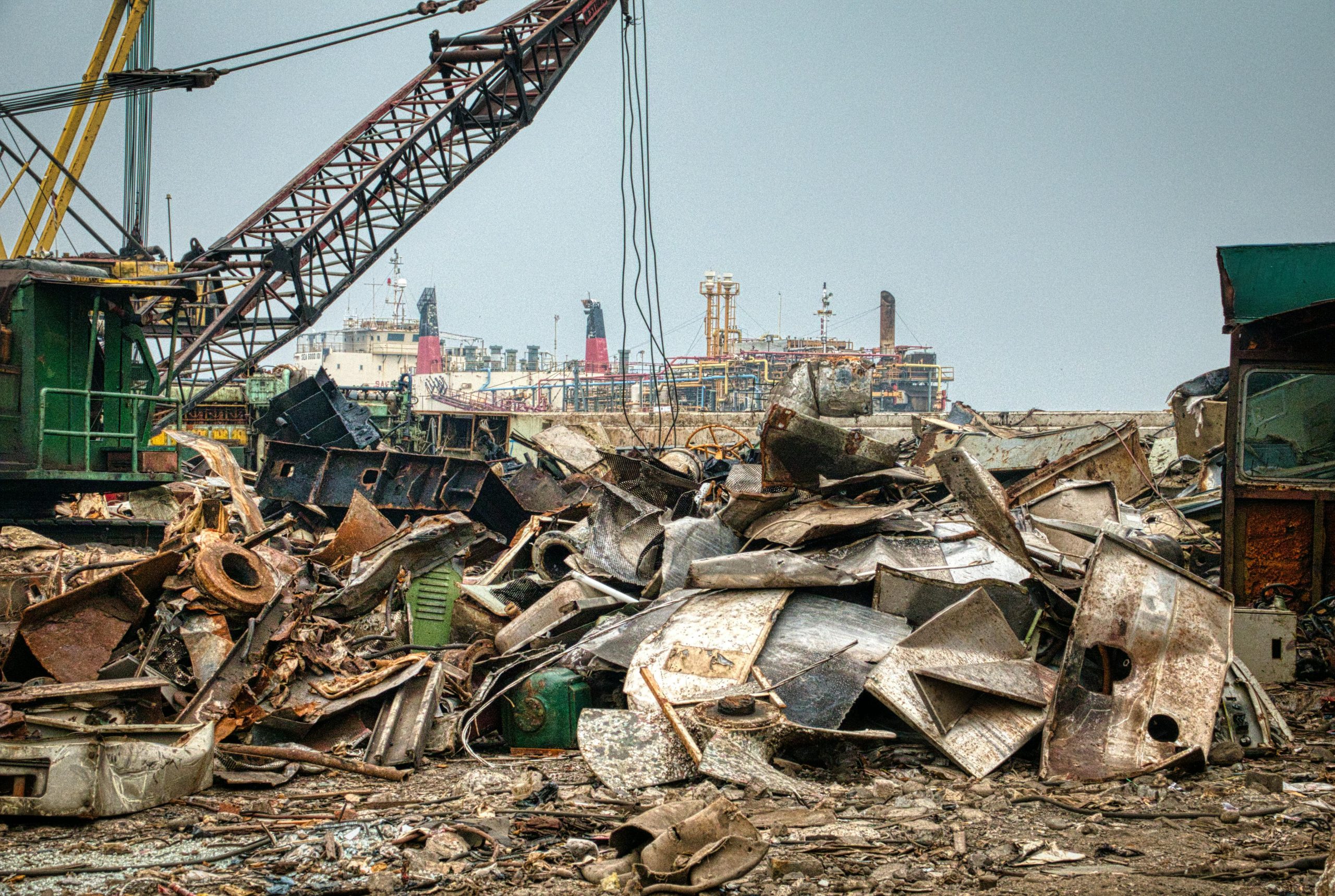
Metal Scrap encompasses unwanted or discarded metal items that have reached the end of their useful life. This includes materials like steel, iron, copper, and aluminum, commonly collected from industries such as automotive, construction, manufacturing, and household use. Recycling these metals helps reduce environmental strain by conserving natural resources and minimizing the energy required to produce new metals from raw materials.
Examples of metal scrap range from copper wires and aluminum cans to iron components and steel structures, all of which can be processed and reused in the creation of new products, promoting a more sustainable industrial cycle.
Computer Scrap includes obsolete or unused computer parts such as laptops, desktops, circuit boards, and accessories like monitors, keyboards, and mice. These items are considered electronic waste (e-waste) and often contain valuable recoverable materials like copper, aluminum, gold, and various plastics. Recycling computer scrap not only helps reclaim these resources but also prevents the release of hazardous substances like mercury and lead into the environment.
In addition to environmental benefits, secure disposal of computer scrap is essential for data protection. Proper recycling processes ensure that all sensitive data is thoroughly wiped, protecting individuals and businesses from potential data breaches.
Vehicle Sustainable Recycling in Ambala
Kh no.30//10/1 ,11/1 , 12/2 , Village Majri , Ambala – 133004
+91-8398-810008 | info@tws.com